Introduction to Meta’s Innovations
Meta has consistently been at the forefront of technological advancements, particularly in the realm of the metaverse. As digital environments evolve, the company’s latest innovations are set to redefine user interaction through enhanced realism and safety. Among these innovations is Meta Motivo, a breakthrough AI model specifically designed to create hyper-realistic movements for digital avatars. This advancement not only enhances the immersive experience within virtual worlds but also plays a crucial role in establishing genuine emotional connections between users and avatars, a key aspect of engagement in the metaverse.
As this digital frontier grows, there is an increasing concern regarding the implications of deepfake technology. Deepfakes, which utilize AI to create hyper-realistic but often misleading video content, pose significant challenges. In response, Meta is implementing innovative solutions to combat these threats, particularly focusing on video seal technology. This initiative aims to verify the authenticity of video content, thereby reducing the risk of deception and misinformation. By addressing the capability of deepfakes to disrupt trust in media, Meta is reinforcing its commitment to providing secure and reliable interactions within the metaverse.
The integration of Meta Motivo alongside the fight against deepfakes encapsulates the dual focus Meta has on innovation and safety. As the metaverse becomes an integral aspect of digital interaction, these advancements place Meta in a strategic position to lead in both technological development and ethical responsibility. With a robust framework that promotes engagement through realistic digital avatars and safeguards against potential misuse, Meta is paving the way for a more vibrant and trustworthy metaverse experience.
What is Meta Motivo?
Meta Motivo is an advanced artificial intelligence model designed by Meta to enhance the realism of digital avatars within the metaverse. Unlike traditional avatar systems, Meta Motivo excels in mimicking human movements and expressions, therebyproviding users with a more authentic and engaging experience. This cutting-edge technology utilizes sophisticated algorithms that analyze and replicate the intricate nuances of human facial expressions and body language. Consequently, users can interact in virtual environments with a greater sense of believability, as their digital representations are now capable of conveying emotional cues and subtleties reminiscent of real human interactions.
One of the primary objectives of Meta Motivo is to foster more immersive and meaningful connections among users within the metaverse. By allowing avatars to respond dynamically to various scenarios, whether it be a casual conversation or a collaborative project, the platform significantly enhances user engagement. Users can now enjoy an enriched experience that mirrors their real-life interactions, making virtual meetings and social gatherings feel congruent with physical encounters. As a result, the utility of Meta Motivo transcends mere aesthetics, contributing to a deeper sense of presence and emotional relatability in the digital space.
Furthermore, Meta Motivo serves as a response to the ongoing challenges associated with deepfakes and misinformation in the digital milieu. By harnessing the power of AI, it aims to create an environment where authenticity is prioritized, thereby minimizing the potential for misuse of avatars. Users can trust that their digital personas represent a true reflection of their identity and intentions, fostering a safer and more secure metaverse experience. Through its innovative approach, Meta Motivo is not only redefining the potential of avatars but also setting a new standard for user interaction in virtual worlds.
The Technology Behind Meta Motivo
Meta Motivo represents a significant advancement in the realm of virtual interactions, utilizing sophisticated AI algorithms and machine learning techniques to enhance user experiences in the metaverse. At its core, this technology focuses on creating hyper-realistic movements in digital avatars, allowing for more lifelike and immersive interactions. The incorporation of advanced neural networks enables the precise mimicry of human gestures and facial expressions, which is critical for effective communication in virtual environments.
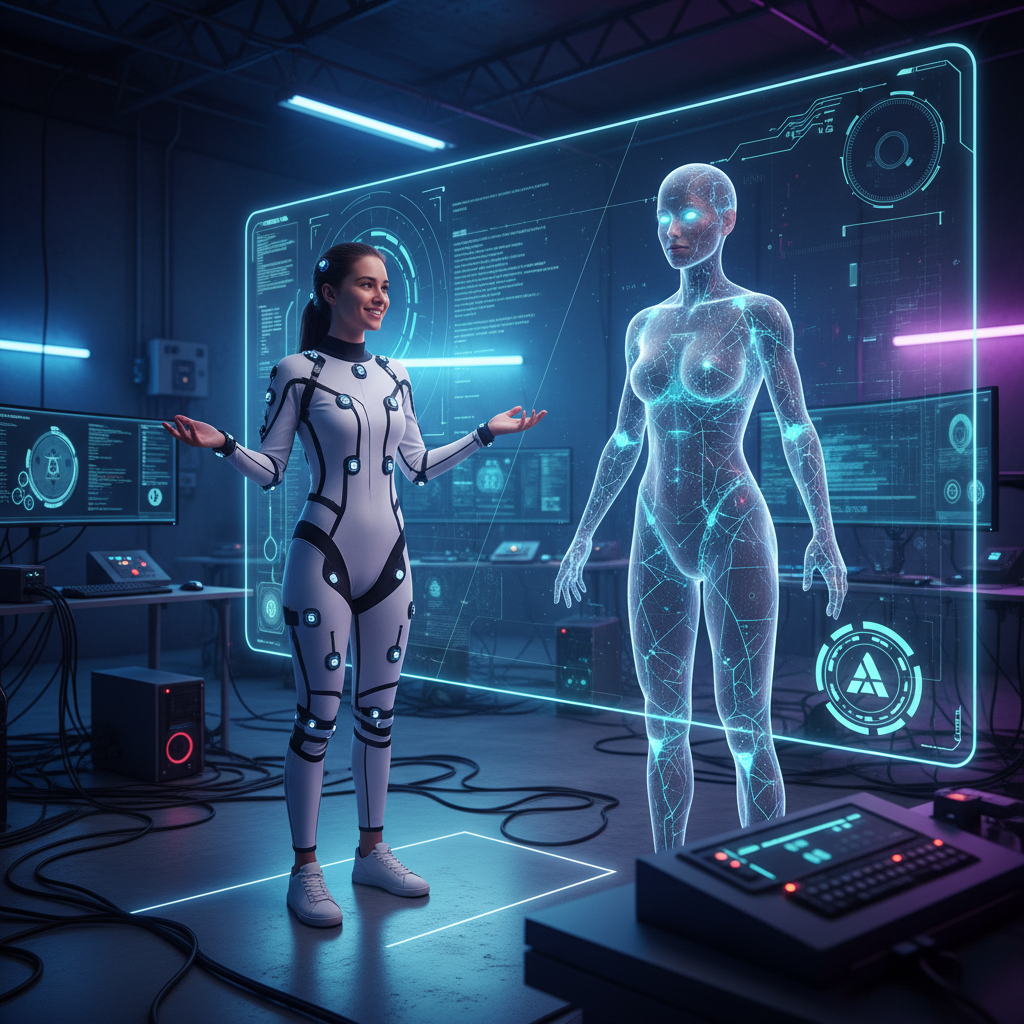
One of the key components of Meta Motivo is its real-time motion capture technology. This feature relies on an array of sensors and cameras that translate physical movements into digital actions seamlessly. The integration of these insights into AI frameworks helps the system learn and improve its accuracy over time, resulting in avatars that can express themselves in a manner that closely resembles genuine human interaction.
Machine learning plays a pivotal role in refining the performance of Meta Motivo. By analyzing vast datasets of human behavior, the AI can identify patterns in movement and expression, allowing for the smooth and realistic portrayal of emotions. This learning mechanism also addresses the challenges posed by deepfakes, creating an environment where authenticity is maintained. The meta-technology further ensures that users are equipped with tools that can identify and combat digital counterfeits, thereby preserving the integrity of interactions within the metaverse.
As a result, the Meta Motivo system not only enhances the visual fidelity of digital avatars but also bridges the gap between virtual and physical realms. This convergence fosters not only more enjoyable experiences but also creates opportunities for meaningful connections in the digital space. Overall, the innovative approaches undertaken in the development of Meta Motivo not only push the boundaries of avatar technology but also redefine what is possible within the metaverse.
The Importance of Realistic Avatar Movements
In the rapidly evolving landscape of the metaverse, the representation of individuals through digital avatars has become a pivotal component of user engagement and interaction. Realistic avatar movements play a significant role in bridging the gap between virtual and real-life interactions, fostering a sense of presence and connection among users. The development of technologies such as motion capture and advanced animation systems has allowed for more lifelike movements, contributing to the overall immersive experience.
These improvements in avatar realism are essential for enhancing communication within the metaverse. When users engage with avatars that exhibit natural movements and expressive gestures, it mirrors the nuances of face-to-face conversations, allowing for richer emotional exchanges. This level of realism not only bolsters social interaction but also facilitates collaborative efforts in various virtual environments, whether it be in gaming, virtual conferences, or social gatherings. Effective communication is paramount in maintaining user interest and satisfaction in these digital realms.
Furthermore, the significance of realistic avatar movements extends beyond mere aesthetics. They enhance the immersion factor within virtual spaces, thereby increasing user retention and participation rates. In environments where users are more engaged, the likelihood of forming communities and long-lasting connections rises, as individuals replicate their real-life social dynamics. By focusing on refining digital avatars and their corresponding movements, Meta aims to create inclusive social networks that reflect authenticity and promote genuine interactions.
Ultimately, as users traverse these dynamic virtual landscapes, the impact of realistic avatar movements will shape the evolution of social interactions within the metaverse. With Meta Motivo at the forefront, these advancements underscore the commitment to creating more humanlike experiences that resonate with users, making the digital world a more engaging extension of their everyday lives. The imperative of developing lifelike digital avatars cannot be overstated; it serves as a cornerstone for deeper engagement and enhanced communication within the ever-expanding metaverse.
Combating Deepfakes: An Overview of Video Seal Technology
Deepfakes represent a significant technological innovation characterized by the utilization of artificial intelligence (AI) to create hyper-realistic videos that can depict individuals saying or doing things they never did. This technology can be immensely potent, producing content that is indistinguishable from reality. However, it poses an array of challenges, particularly regarding content authenticity, trustworthiness, and security in the digital landscape. As the prevalence of deepfake technology escalates, issues surrounding misinformation and manipulation become increasingly concerning.
Meta, the parent company of Facebook and Instagram, recognizes these challenges and has rolled out an innovative solution known as Video Seal technology. This cutting-edge approach is designed to combat the proliferation of deepfakes, ensuring that users can identify authentic content more effectively. Video Seal employs advanced algorithms to generate a digital signature for video files. This signature verifies the content’s integrity and confirms its original source, creating a layer of trust for users navigating the increasingly complex digital ecosystem.
With the implementation of Video Seal technology, Meta aims to bolster confidence in digital interactions by empowering users to discern between genuine content and deepfakes. The potential impact of this initiative is substantial; it not only reduces the risk of deception but also enhances the overall reliability of digital avatars and interactions within the expanding metaverse. Protecting content authenticity has never been more crucial, given the rising prevalence of AI and deepfake technology in shaping perceptions and influencing opinions. As Meta unfurls these new capabilities, it marks a pivotal step in the ongoing fight against digital misinformation, paving the way for a more secure future within the virtual world.
The Intersection of Virtual Reality and Trust
The emergence of the metaverse presents a transformative shift in how individuals interact digitally, particularly through the integration of virtual reality technologies that enhance user experience. Meta, with its innovative approach, intends to redefine trust within these virtual environments, emphasizing the connection between realistic avatars, deepfake prevention, and user confidence.
As digital avatars become increasingly lifelike, they hold the potential to bridge the gap between the physical and virtual worlds. These advanced representations can lead to more meaningful interactions, fostering authenticity and enhancing the overall sense of community in the metaverse. Users are more likely to engage when they see genuine representations of others, which can mitigate the feelings of isolation that often accompany online interaction.
However, the proliferation of deepfake technology poses significant challenges to this evolving landscape. With the ability to create realistic but fabricated visual content, the risk of misinformation and deception increases. To counter this, Meta’s innovations in deepfake prevention are crucial. By developing robust verification mechanisms, the company aims to ensure that users can trust the authenticity of the digital avatars they encounter, thereby fostering a safer online environment.
Empowering users with the tools to verify identity and authenticity within the metaverse enhances their trust in digital interactions. In turn, this trust encourages more extensive participation, creating a vibrant community where individuals feel secure in their virtual engagements. The fusion of these advanced technologies may result in a metaverse that not only captivates users with its immersive experiences but also upholds a reliable framework for integrity and authenticity.
User Perspectives: What This Means for You
The advent of technologies such as Meta Motivo represents a significant leap forward in the functionality and security of digital avatars within the metaverse. Users are likely to experience a shift in how they interact with virtual environments, especially as realistic avatars become more accessible. With enhanced capabilities for personalization through AI, individuals can create avatars that not only resemble them closely but also reflect their personalities and traits more accurately.
Moreover, the integration of advanced security measures to combat deepfakes can bolster user confidence in the integrity of their digital identities. As misinformation spreads rapidly in online spaces, the assurance that one’s avatar is protected against unauthorized manipulation fosters a safer environment for personal expression and interaction. This is particularly relevant in the metaverse, where identity plays a crucial role in user engagement.
Users may also find new means of self-expression available to them thanks to innovations in digital avatars. The capacity to mold these virtual representations allows individuals to explore various aspects of their identities or even tackle new social scenarios they might not have encountered in the physical world. Whether for casual interactions, professional networking, or creative projects, the metaverse is becoming an expansive platform where users can connect deeper than ever before.
In this evolving digital landscape, the expectations for immersive experiences will likely rise, with users demanding not just better graphics and interactions but also a safe and reliable framework to communicate and collaborate. As such, the metaverse will need to adapt continually, maintaining a focus on both technological advancement and the safeguarding of user content. The journey toward a secure and appealing metaverse will ultimately hinge on how well these innovations address user needs and expectations.
Future Prospects: The Evolution of the Metaverse
The metaverse is poised for significant advancements, especially with the introduction of technologies like Meta Motivo. As the landscape of virtual interactions continues to evolve, users can anticipate more immersive experiences that seamlessly integrate with everyday life. One major area of development will likely be the enhancement of digital avatars. These avatars will not only become more representative of individual users but will also gain sophisticated capabilities powered by artificial intelligence. The aim is to create hyper-realistic avatars that can engage in complex social interactions, express emotions accurately, and adapt to various scenarios in the metaverse.
Another crucial aspect of this evolution is the emphasis on content security. As more individuals and businesses venture into the metaverse, protecting digital assets and personal data will be paramount. Meta’s commitment to combating deepfakes illustrates a proactive approach to security within virtual environments. Advanced detection methods and proactive monitoring systems will likely become standard, enabling users to trust the authenticity of the content they encounter. This focus on security will promote a safer environment for creators, brands, and users alike.
Furthermore, the integration of augmented reality (AR) within the metaverse may redefine how individuals interact with both digital and physical spaces. As AR technologies continue to mature, the lines between digital and real-world experiences will blur. Users might find themselves engaging with digital art or virtual marketplaces as part of their daily routines, creating new avenues for commerce and social interaction. In summary, the future of the metaverse, particularly with the innovations brought forth by Meta, offers a compelling vision of more engaging, secure, and intuitive experiences for users around the globe.
Conclusion: Ready for the Immersive Digital Future?
As we examine the advancements that Meta is bringing to the metaverse, particularly through technologies like Meta Motivo, it is clear that a transformation in our digital experiences is on the horizon. The initiative not only aims to enhance engagement through the use of digital avatars but also takes significant measures to combat the rampant issue of deepfakes. This multi-faceted approach places a strong emphasis on creating a more secure, interactive, and immersive metaverse environment.
With the introduction of cutting-edge tools and frameworks, Meta is empowering users to navigate this evolving landscape more safely, encouraging creativity and collaboration among individuals across the globe. As we embrace these developments, it is crucial to consider how prepared we are for the upcoming changes in our digital interactions. How will the emerging technologies affect our daily lives? Are we ready to explore a metaverse where our digital presence is safeguarded against the threats posed by deepfakes?
The future painted by Meta holds immense potential for reshaping social interactions, commerce, and entertainment in the digital realm. For users, businesses, and creators alike, the challenge will be to adapt to the new realities of a highly immersive metaverse. Have you contemplated the implications of enhancing your digital identity through the use of artificial intelligence? Will we be able to manage and curate our digital avatars effectively, preserving our rights and likenesses in a rapidly evolving technology landscape?
As we stand on the brink of this immersive digital future, filled with opportunities and challenges, the conversation surrounding our readiness must continue. Engaging in this dialogue will not only help us prepare for what lies ahead but also define the ethical frameworks and technological standards necessary to protect ourselves and our creations within the metaverse.