
Introduction
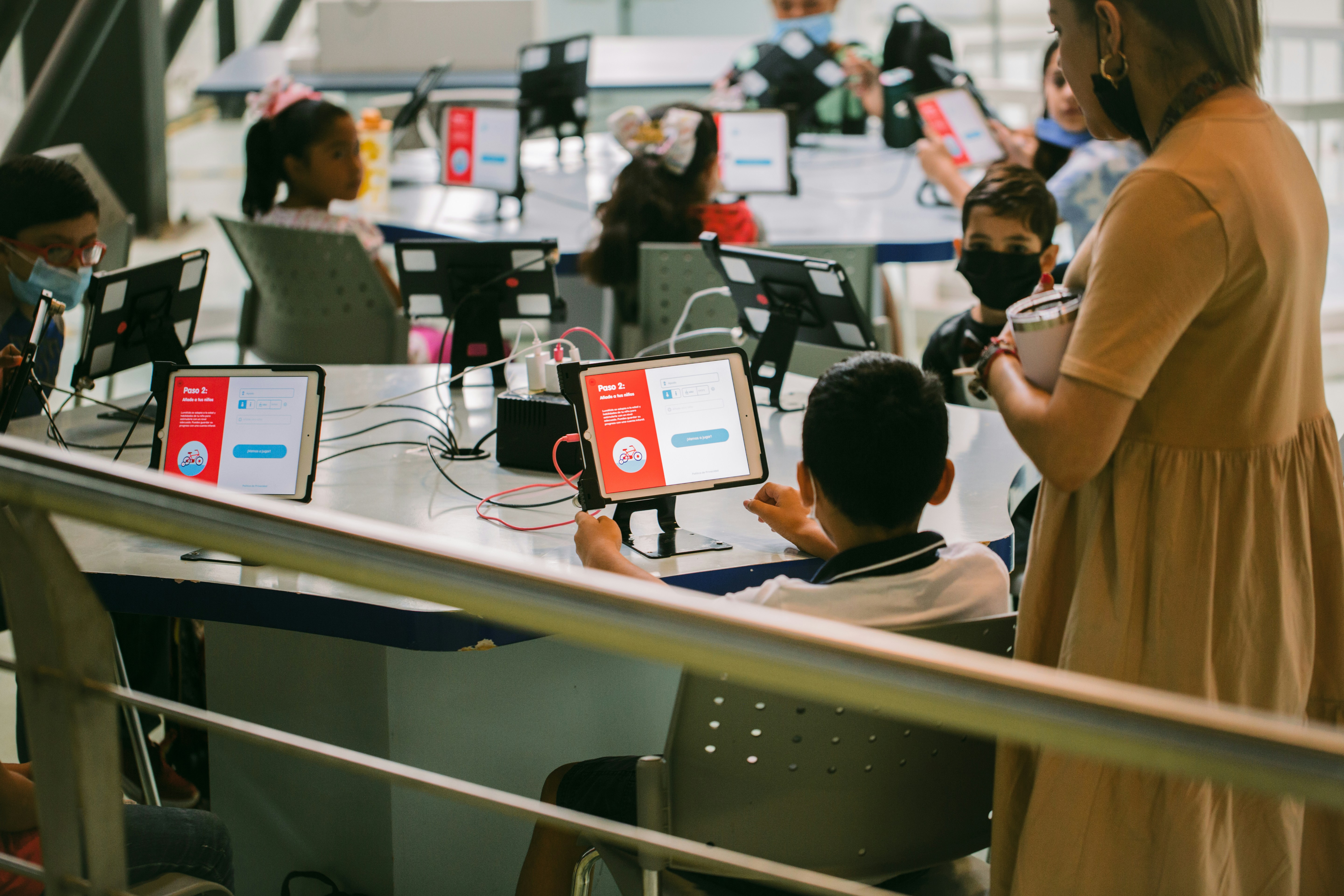
The advent of technology in the educational sector has ushered in a new era, particularly through innovative programs that aim to enhance teaching methodologies. One such initiative is the recently launched C2K program in Northern Ireland, which seeks to integrate advanced technological tools into classrooms. This initiative represents a pivotal move to empower educators and transform the learning experience for students. By focusing on the integration of generative AI, particularly tools like Gemini, the C2K initiative underscores a commitment to not just keeping pace with technological advancements, but actively leveraging them to foster more effective teaching environments.
The significance of the C2K initiative cannot be overstated. It aims to address pressing challenges faced by educators, such as time management issues, resource allocation, and personalized instruction. By harnessing the capabilities of generative AI, teachers in Northern Ireland can streamline their lesson planning, gain insights into student performance, and provide tailored support that meets the diverse needs of their students. This is particularly important in today’s classroom settings, where varying student capabilities and learning styles necessitate unique approaches.
Integrating generative AI tools like Gemini into the educational framework marks a significant advancement in supporting teachers. Gemini’s capabilities can analyze vast data sets, generate relevant educational materials, and even assist in assessing student progress. Such functionalities not only enhance the teaching experience but also contribute to a more engaging learning environment. As we delve deeper into the multifaceted implications of the C2K initiative, it becomes clear that Northern Ireland is at the forefront of redefining educational methods, fostering collaboration between technology and teaching, and preparing students for a future where digital proficiency is paramount.
Overview of the C2K Initiative
The C2K initiative represents a pivotal advancement in the educational framework of Northern Ireland, specifically aimed at harnessing technology to elevate teaching and learning experiences. Launched by the Education Authority, C2K stands for ‘Classroom 2000’ and seeks to provide innovative digital solutions to enhance educational outcomes for all pupils. The initiative focuses on integrating digital tools and resources that facilitate personalized learning, making education more accessible and engaging for students while also bolstering teacher effectiveness.
At its core, the C2K initiative incorporates a range of modern technologies designed to support both teachers and learners. This includes cloud-based systems that allow educators to access a wealth of digital resources and pedagogical tools from any location. By enabling real-time collaboration and communication, the initiative fosters a more interactive and dynamic learning environment where teachers can adapt their strategies to meet diverse student needs. Moreover, the program also emphasizes the importance of ongoing professional development for educators, ensuring they are equipped to effectively utilize these emerging technologies in their classrooms.
The target audience of the C2K initiative includes primary and secondary educators across Northern Ireland, with the overarching goal of transforming the educational landscape. By aligning with the strategic objectives of the Education Authority, C2K aims to close the achievement gap among students, enhance curricular delivery, and incorporate inclusive practices within schools. Through targeted training and resources, the initiative strives to empower teachers, allowing them to maximize their impact on student learning and engagement. Overall, the C2K initiative signifies a transformative step towards integrating technology into education, ensuring that Northern Ireland’s educational system remains at the forefront of innovation.
Introduction to Generative AI Tools
Generative AI tools represent a significant advancement in artificial intelligence technology, enabling the creation of new content based on existing data. By utilizing algorithms, these tools analyze input data to generate text, images, or other media that follow specific patterns or styles. In education, generative AI has introduced innovative methods to enhance teaching and learning experiences. Educators can leverage these tools to ease their administrative burdens and allocate more time to instruction and student engagement.
One of the key features of generative AI tools is their ability to produce tailored content quickly. For instance, teachers can utilize these platforms to create personalized lesson plans or educational materials that suit the diverse needs of their students. Furthermore, generative AI tools can aid in grading and feedback processes, allowing educators to provide timely responses to student submissions, thus fostering a more dynamic learning environment.
These tools are particularly relevant in today’s educational landscape, where the demand for personalized and adaptive learning experiences continues to grow. As teachers navigate various challenges, such as large class sizes and limited resources, generative AI can serve as a valuable ally. By automating routine tasks and generating relevant educational content, teachers can devote more attention to instruction, all while enhancing their overall efficiency.
The integration of generative AI into educational settings aligns with the goal of enriching the teaching profession. It empowers educators to focus on fostering critical thinking skills and promoting creativity among students. As more schools and institutions begin to adapt these technologies, the potential for enhancing educational practices becomes increasingly evident, promising a transformative impact on how teachers and students engage with learning.
Benefits of the Pilot Program for Teachers
The implementation of the AI pilot program in Northern Ireland has ushered in a wave of transformative benefits for teachers, directly enhancing both their efficiency in the classroom and their overall professional experience. Notably, one of the most significant advantages has been the substantial reduction in time spent on administrative tasks. Teachers have reported saving numerous hours each week previously allocated to lesson planning, grading, and communication with students and parents. The AI tools streamline these processes, allowing educators to focus more on instruction and student engagement.
Furthermore, the integration of AI into educational practices has proven to boost teaching efficiency. By providing personalized lesson suggestions and adaptive learning resources, this technology has enabled teachers to tailor their instructional methods to meet the varying needs of their students. As a result, educators have observed enhanced student participation and comprehension, creating a more dynamic classroom environment. This newfound efficiency not only enriches the learning experience for students but also fosters a more rewarding teaching experience for educators.
In conclusion, the benefits of the AI pilot program for Northern Ireland teachers are multifaceted, encompassing time savings, improved teaching efficiency, and enhanced morale. These positive outcomes illustrate the potential of integrating technology into education, paving the way for a more effective and fulfilling teaching and learning experience.
Real-World Success Stories
The implementation of the AI pilot program in Northern Ireland has yielded numerous positive outcomes, with teachers reporting significant changes in their teaching methodologies. One notable case is that of Ms. Fiona Clarke, a secondary school mathematics teacher. She expressed that the AI tools provided invaluable assistance in personalizing lesson plans for her diverse group of students. By analyzing individual student performance data, the AI program enabled Ms. Clarke to identify areas where students struggled and tailor her teaching to address these challenges more effectively.
Furthermore, Ms. Clarke noted a reduction in the time spent on administrative tasks, allowing her to focus more on actual teaching. With the AI handling routine grading and feedback, she could devote her efforts to developing interactive lessons that foster deeper engagement. Her students reported a heightened enthusiasm for learning mathematics, demonstrating the program’s impact on both teaching quality and student motivation.
Another inspiring testimonial comes from Mr. James O’Neill, an English literature teacher who faced challenges integrating technology into his classroom. Initially skeptical, Mr. O’Neill discovered that AI tools could assist in creating immersive learning experiences. By using AI-driven story creation platforms, he encouraged students to collaborate on writing projects, which led to increased creativity and participation among the students. The use of these AI applications not only transformed his approach to teaching literature but also reinforced critical thinking and collaborative skills among his pupils.
These success stories highlight the transformative potential of AI in education. The experiences of teachers like Ms. Clarke and Mr. O’Neill serve as powerful examples of how embracing technology can lead to improved instructional methods, enhanced student engagement, and ultimately, a more effective learning environment.
Enhancing the Learning Experience for Students
The integration of artificial intelligence (AI) into the educational landscape has emerged as a transformative force, especially in Northern Ireland, where teachers are increasingly utilizing AI-driven tools to enhance student learning experiences. AI technologies foster personalized learning opportunities, allowing educators to tailor their instruction to meet the unique needs of each student. This approach is particularly beneficial in classrooms characterized by diverse learning abilities and styles.
Through AI, teachers can access an array of data analytics that provide insights into student performance, preferences, and progression. This data enables educators to identify specific areas where students may require additional support or resources. Consequently, teachers can design customized learning pathways that align with individual learning paces and styles, ultimately promoting a more engaging and effective learning environment.
Moreover, AI-powered platforms facilitate interactive and adaptive learning experiences by providing instant feedback on students’ work. Such systems can adjust the difficulty level of tasks in real-time, ensuring that challenges remain appropriate and conducive to growth. This adaptability helps to maintain student motivation and encourages a growth mindset, as learners are presented with tasks that resonate with their current skill levels.
Beyond the technical capabilities, the use of AI assists teachers in streamlining administrative tasks, allowing them to dedicate more time to direct student engagement. As a result, educators can focus on nurturing critical thinking, creativity, and collaboration among students, skills that are pivotal in today’s complex world.
In conclusion, the incorporation of AI into the classroom serves to significantly enhance the overall learning experience for students in Northern Ireland. By allowing for personalized, data-driven education, AI aids in addressing the diverse needs of learners, ultimately improving educational outcomes and fostering a more inclusive learning environment.
Future Implications of AI in Education
The integration of generative AI tools into the education system presents numerous long-term implications that could significantly shape the future of teaching and learning. One important consideration is the scalability of these AI solutions beyond the confines of the current pilot programs. As Northern Ireland educators have begun to adopt these technologies, similar initiatives could potentially expand across various regions and educational settings, promoting a more personalized learning experience for students globally. The adaptability of AI tools can cater to diverse learning needs, making education more inclusive.
Moreover, for teachers to fully harness the transformative power of AI, ongoing support and professional development are essential. Implementing AI in classrooms is not merely a matter of technology acquisition; it requires a cultural shift within educational institutions. Schools must provide continuous training and resources to help educators effectively integrate AI into their curricula. This support can come in various forms, including workshops, collaborative networks, and access to teaching resources that leverage AI’s capabilities. As teachers grow more proficient in utilizing these tools, they can unlock a new tier of educational practices.
Furthermore, the evolution of educational practices driven by technology is an inevitable outcome of AI integration. With the assistance of generative AI tools, educators can focus more on fostering critical thinking, creativity, and problem-solving skills among students. These technologies can automate routine administrative tasks, allowing teachers to devote more time to personalized instruction and engagement with their students. Additionally, as AI generates insights based on student performance data, educators can tailor lessons to fit individual learning styles, ensuring a more effective teaching approach.
In conclusion, the long-term implications of integrating generative AI tools into the educational landscape are profound, ranging from scalability and ongoing support for teachers to the evolution of teaching practices. The successful adoption of AI in education holds the potential to enhance not only the teaching experience but also the overall learning outcomes for students.
Challenges and Considerations
The implementation of AI in education, particularly within Northern Ireland’s new pilot program for teachers, presents various challenges and considerations that must be addressed to ensure its success. One major concern is data privacy. With the increased use of AI tools, sensitive student and teacher data may be collected and utilized, raising questions about how this data is stored, managed, and protected. Education stakeholders must prioritize the establishment of robust data protection protocols and compliance with regulations like GDPR to safeguard personal information and instill trust in these technologies.
Another significant issue is the digital divide, which may exacerbate existing inequalities in access to educational resources. While some educators may flourish with AI integration, those in under-resourced communities might struggle due to limited access to necessary technology or internet connectivity. It is vital for policymakers to invest in infrastructure that can bridge this gap, ensuring that all teachers and their students can benefit equitably from AI advancements in the classroom.
Additionally, the successful use of AI tools necessitates professional development for teachers. Education systems must emphasize ongoing training to ensure that educators are not only familiar with these technologies but are also skilled in their effective application. Providing comprehensive support will empower educators to integrate AI into their teaching practices confidently and innovatively. Continuous assessment and adjustments to the implementation of the pilot program are crucial to address challenges as they arise, allowing for a responsive approach that can adapt to the evolving landscape of education technology.
In conclusion, while the introduction of AI in Northern Ireland’s educational framework holds immense potential, it is imperative to navigate the associated challenges with careful consideration to create a sustainable and equitable learning environment for all participants.
Conclusion and Call to Action
In recent years, the educational landscape has witnessed a significant shift, particularly with the introduction of AI technologies in Northern Ireland’s classrooms. The C2K initiative is a prime example of how innovative tools can enhance teaching practices and ultimately benefit both educators and students. By leveraging artificial intelligence, teachers can now personalize learning experiences, improving engagement and academic outcomes. This pilot program has demonstrated that AI not only supports teachers in planning and implementing their lessons but also helps foster a more tailored educational environment that caters to the unique needs of each student.
Throughout this discussion, we have highlighted the various aspects of the C2K initiative, including its potential to alleviate some of the burdens teachers face in their daily routines. The ability to access essential resources and streamline administrative tasks significantly frees up time that educators can dedicate to student interaction and personalized instruction. The integration of such technologies is a vital step toward revolutionizing the educational experience, making it more adaptable and responsive to the changing demands of the modern world.
As we reflect on the transformative potential of AI in education, it is crucial for stakeholders in the community—teachers, parents, and policymakers—to stay informed and engaged. Continued support for initiatives like C2K is imperative to ensure that the benefits of these advancements reach every classroom, enhancing educational outcomes for all involved. We encourage readers to follow ongoing developments in this area and advocate for measures that promote the integration of cutting-edge technologies in education. By doing so, we can collectively work toward a future where all students have access to the resources and support they need to thrive.

